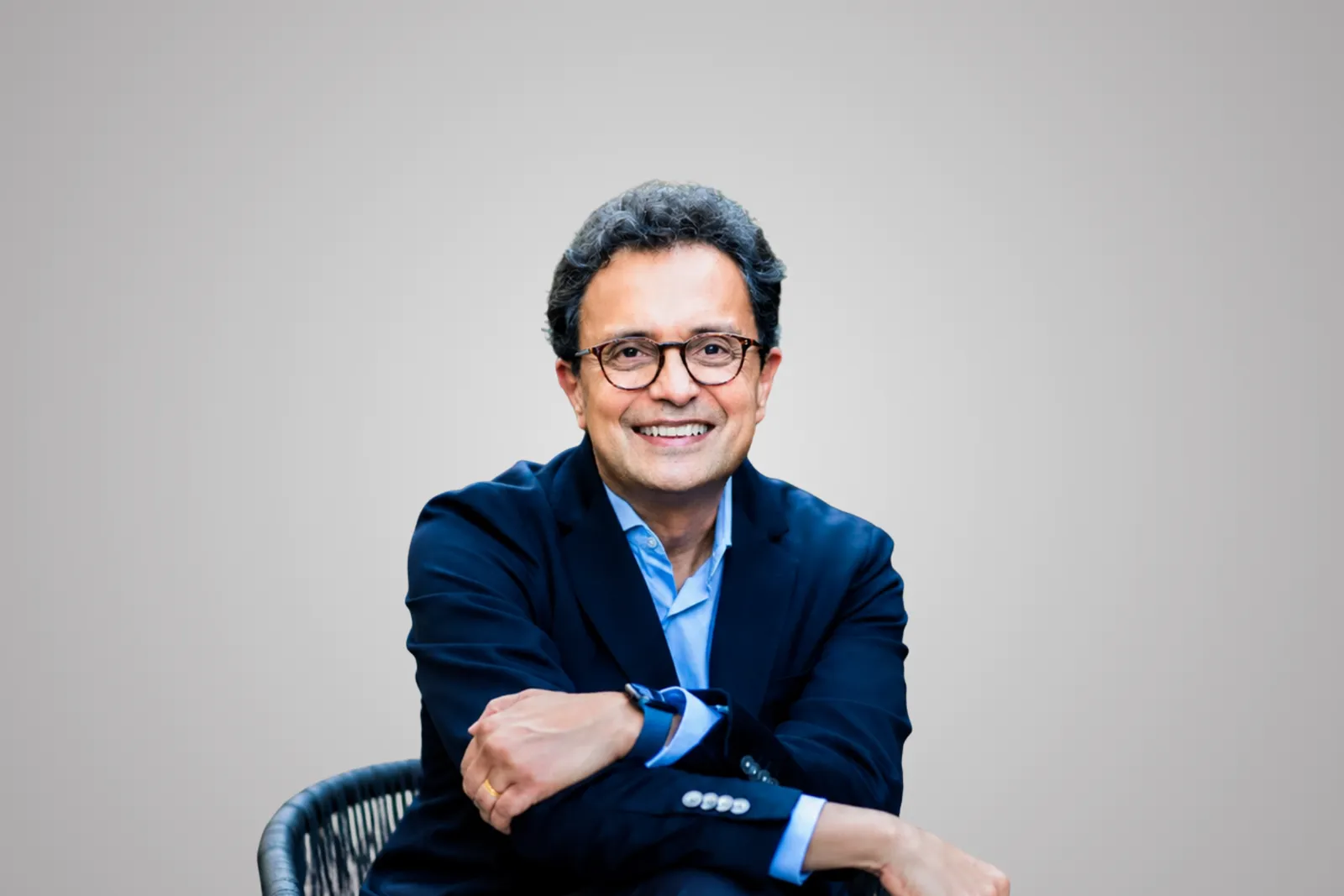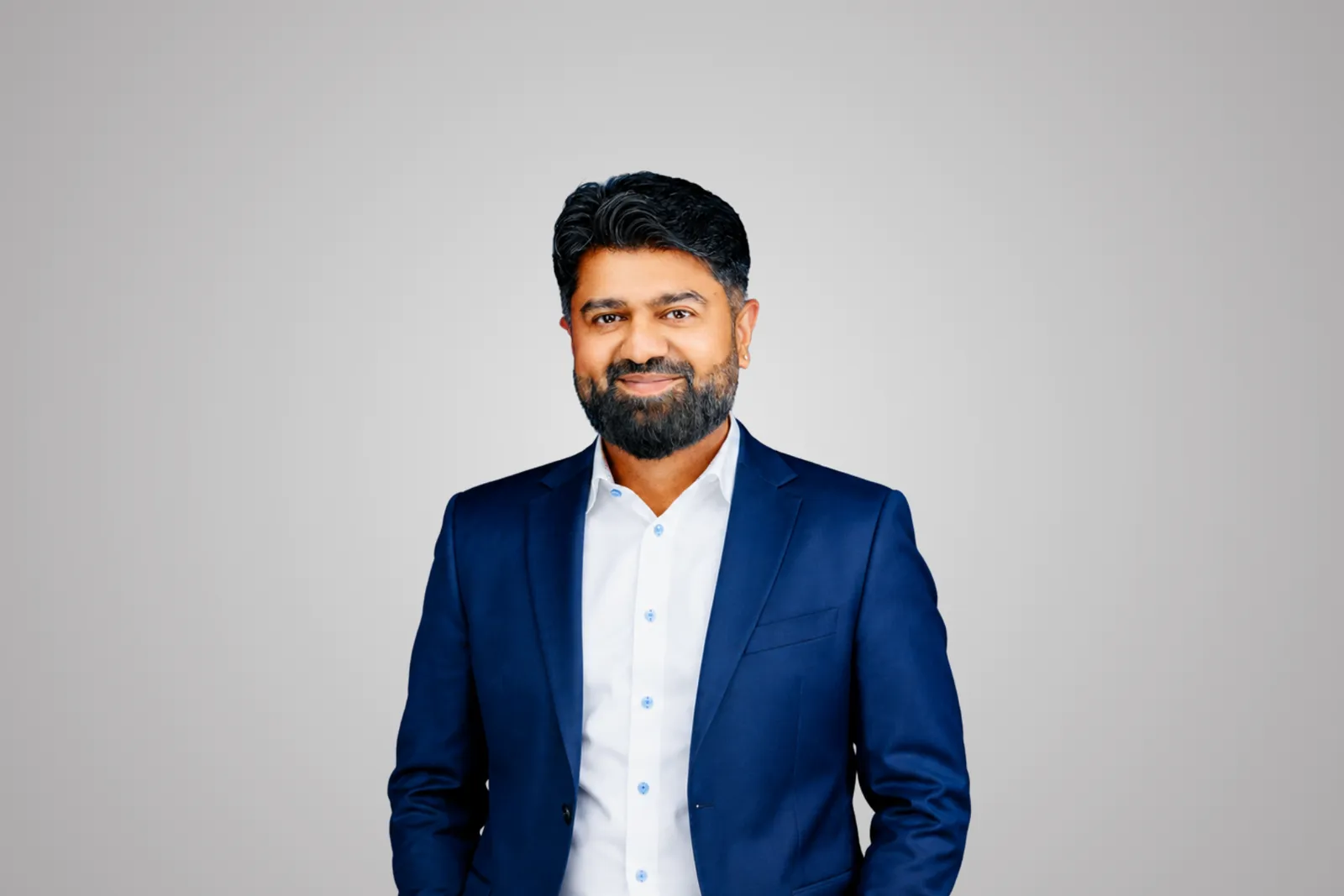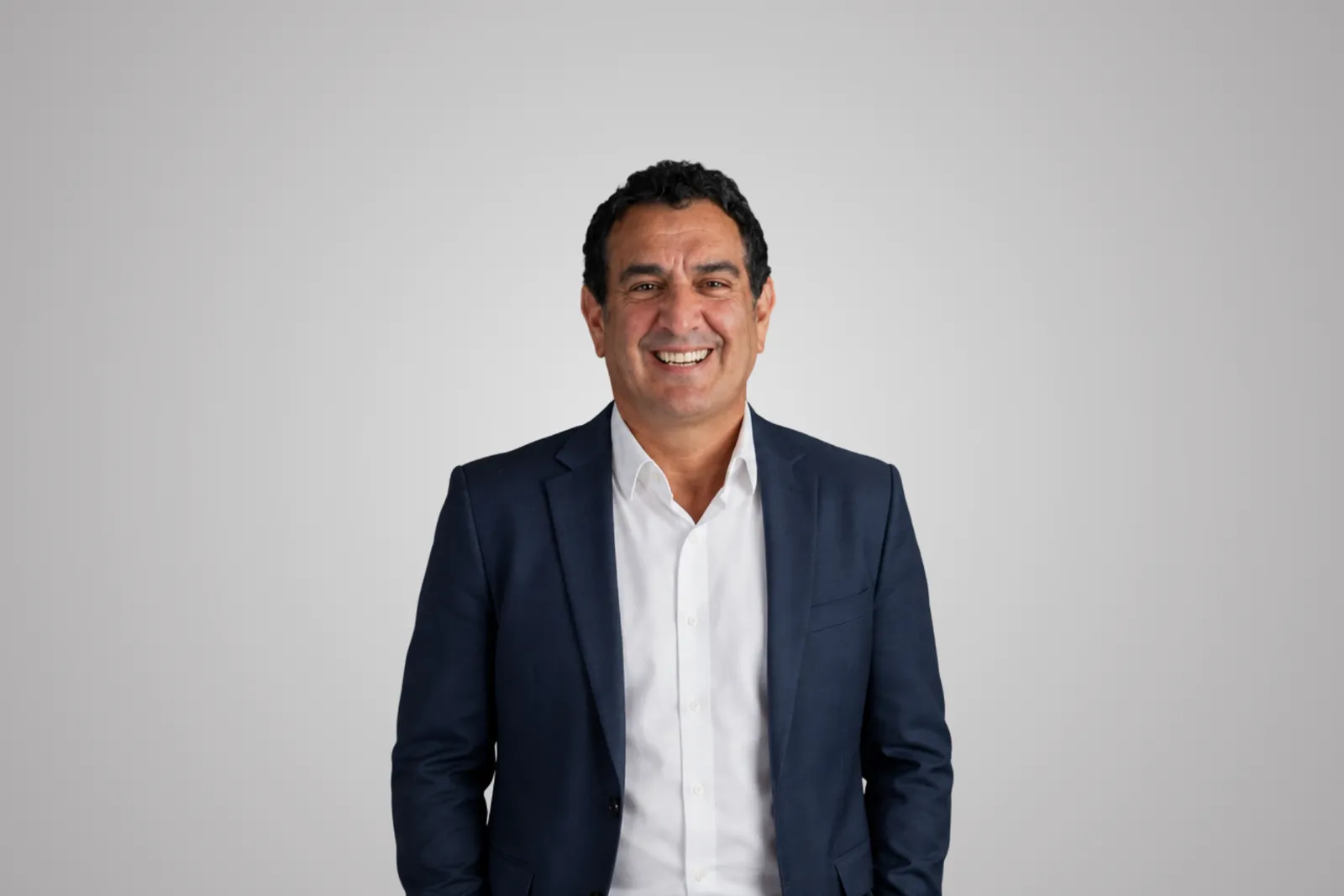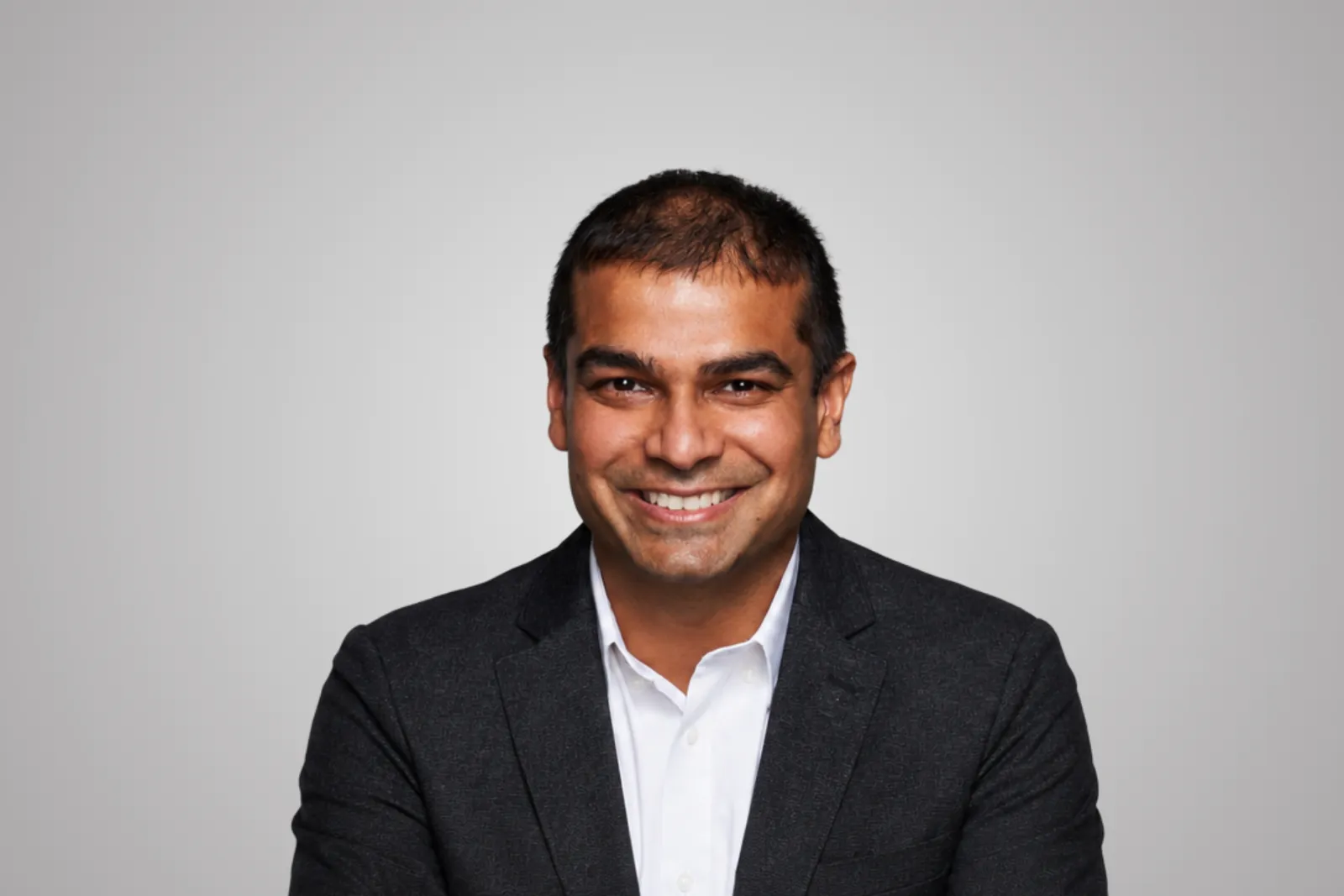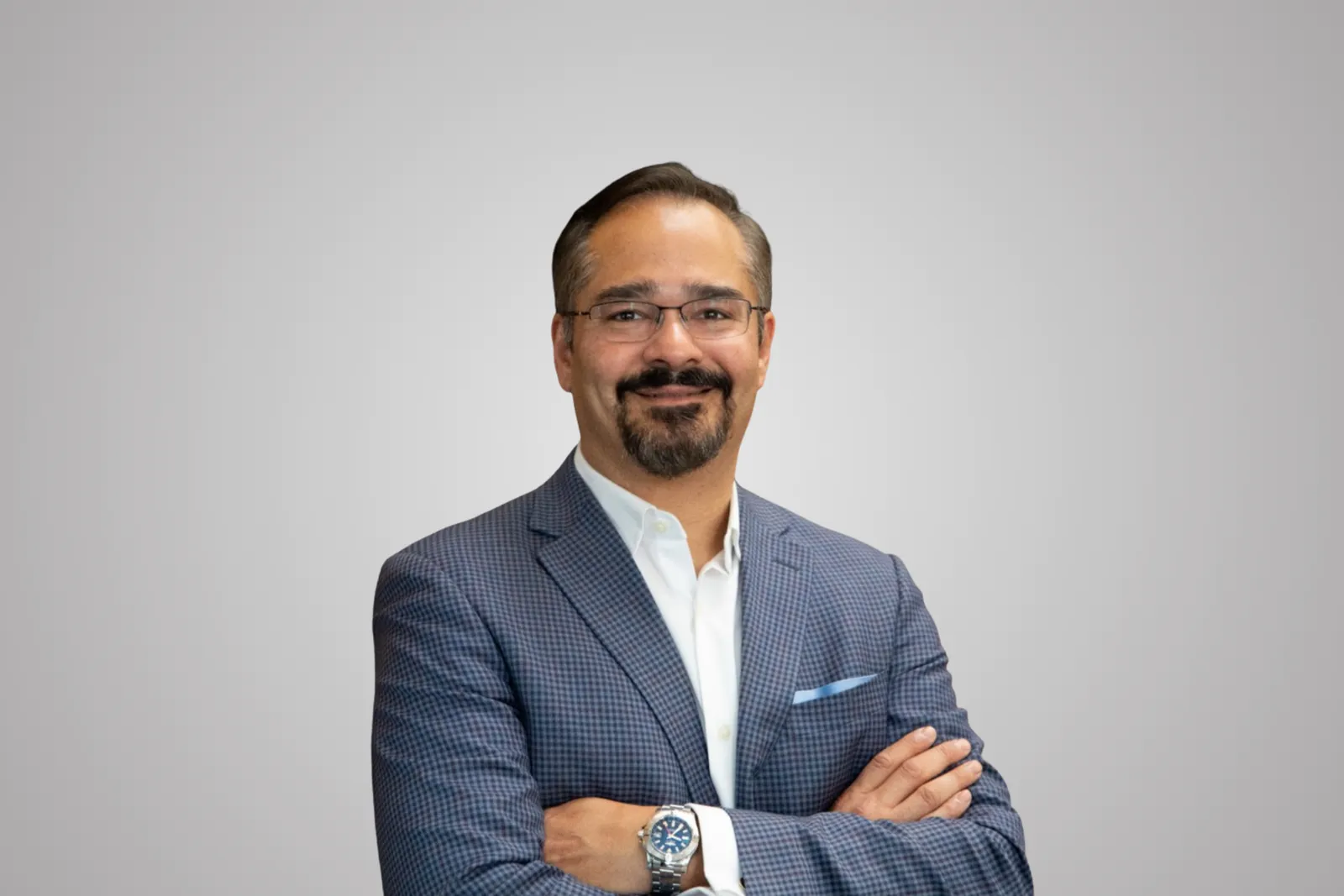



In this exclusive interaction with The Catalyst, Jaydeep Ruparelia, CEO of Infopercept, delves into the vision behind this approach, the company’s role in advancing cybersecurity maturity across emerging markets, and how India can lead the next chapter of global cybersecurity innovation.
As threats evolve faster than ever, do you believe the future of cybersecurity lies more in proactive “offensive defense” than traditional protection?
Yes. The moment you rely only on a defensive approach; you’re already on the back foot. Cybersecurity has evolved through distinct phases.
It began with preventive security, firewalls and endpoint protection, which were adequate a couple of decades ago. But over time, attackers learned to bypass these defenses.
This led to the rise of detection and response solutions like SIEM, EDR, and XDR. These help security practitioners analyze events and take action before incidents become full-blown breaches. While they appear proactive, they are actually reactive, they act only after a threat enters through existing exposures.
Exposure management tools such as Attack Surface Monitoring, Vulnerability Management, Breach and Attack Simulation, and Continuous Automated Red Teaming now help organizations identify, prioritize, and remediate exposures, from vulnerabilities and configuration errors to phishing-prone users and counterfeit assets.
Cybersecurity is now moving toward an offensive defense approach, where organizations think like attackers, identifying and fixing exposures before adversaries can exploit them. Combined with detection, response, and preventive layers, this approach puts defenders on the front foot against today’s sophisticated and coordinated attacks.
Invinsense brings together multiple aspects of cybersecurity into a unified platform. What gap in enterprise security were you aiming to close with this solution?
Cybersecurity relies on three core approaches, detection and response, exposure management, and GRC, to achieve two key outcomes: combating cyberattacks and achieving compliance.
When we envisioned Invinsense, we saw a major challenge: most organizations use at least 20 different tools to manage these functions, which makes cybersecurity management itself more complex than the threats it seeks to address.
Invinsense unifies these capabilities under one platform, continuously enhanced with the latest innovations. Today, all our tools are AI-enabled and operate on a common data model, enabling correlation-driven cybersecurity decisions.
For example, a security leader can view any asset in Invinsense and instantly know if it’s under attack, what exposures exist, and what its compliance score is. We are proud to be among the first to achieve OCSF (Open Cybersecurity Schema Framework) alignment across detection and response, exposure management, and GRC.
How do you see emerging markets like India, the Middle East, and Africa evolving in terms of cybersecurity maturity and adoption?
Cyberattacks are global, they don’t respect borders. An adversary can launch an attack from anywhere, targeting any nation. This reality has pushed every country to accelerate its cybersecurity maturity and adoption journey.
We have seen markets like India, the Middle East, and Africa evolving rapidly, matching global standards. Digital transformation, AI, and cloud adoption have naturally driven security transformation, and these emerging regions have proven to be highly adaptive and forward-looking.
How are enterprise cybersecurity priorities shifting in the age of cloud, AI, and hybrid work?
The attack surface has expanded exponentially with each wave of technological change, from cloud adoption and digital transformation to the current AI-driven era.
AI has introduced three new dimensions to cybersecurity: Security with AI, Security of AI, and Security from AI. Each of these touches multiple layers of the cybersecurity ecosystem.
Adversaries, too, are leveraging AI, becoming more research-driven and targeted. Deepfake technology is now a tool in social engineering, amplifying both the scale and impact of attacks.
Hybrid work has further blurred network boundaries; every employee now effectively represents a branch office that needs protection.
The result is that every organization, regardless of size or sector, must operate with the mindset and discipline of a full-fledged cybersecurity company.
What are enterprises most looking for in a cybersecurity partner today?
Enterprises today seek a partner who can deliver comprehensive, scalable, and integrated security. Achieving this requires an ecosystem that combines advanced technology, expert human insight, and AI-driven intelligence.
This is possible only through platformization of technologies, segmentation of assets, and specialization of human expertise, ensuring that security operations remain unified, adaptive, and efficient.
What’s your long-term vision for Infopercept, both as a company and as a representative of India’s potential in global cybersecurity?
Our vision is to position India on the global stage as a leader in cybersecurity platforms. India has long been known for IT services, but we want to redefine that narrative, showcasing India’s potential in developing cutting-edge cybersecurity technology, a space currently dominated by the US and Israel.
Many Indians already hold leadership roles in global cybersecurity companies. So culturally and technically, there’s no barrier to achieving this from India. What’s required is the right intent, the right team, and the right ecosystem support for indigenous, swadeshi cybersecurity platforms like Invinsense.
As the threat landscape grows more complex, the future of cybersecurity is clearly shifting toward strategies that anticipate rather than react. Unifying critical security functions, embracing offensive defense, and leveraging AI-driven intelligence are becoming essential to staying ahead of adversaries. Emerging markets are rapidly proving their capability to match and even lead this transformation, demonstrating that innovation and resilience can be built anywhere. With the right vision and ecosystem, the global cybersecurity narrative is being redefined, one proactive step at a time.
All Content Rights Reserved by The Catalyst.