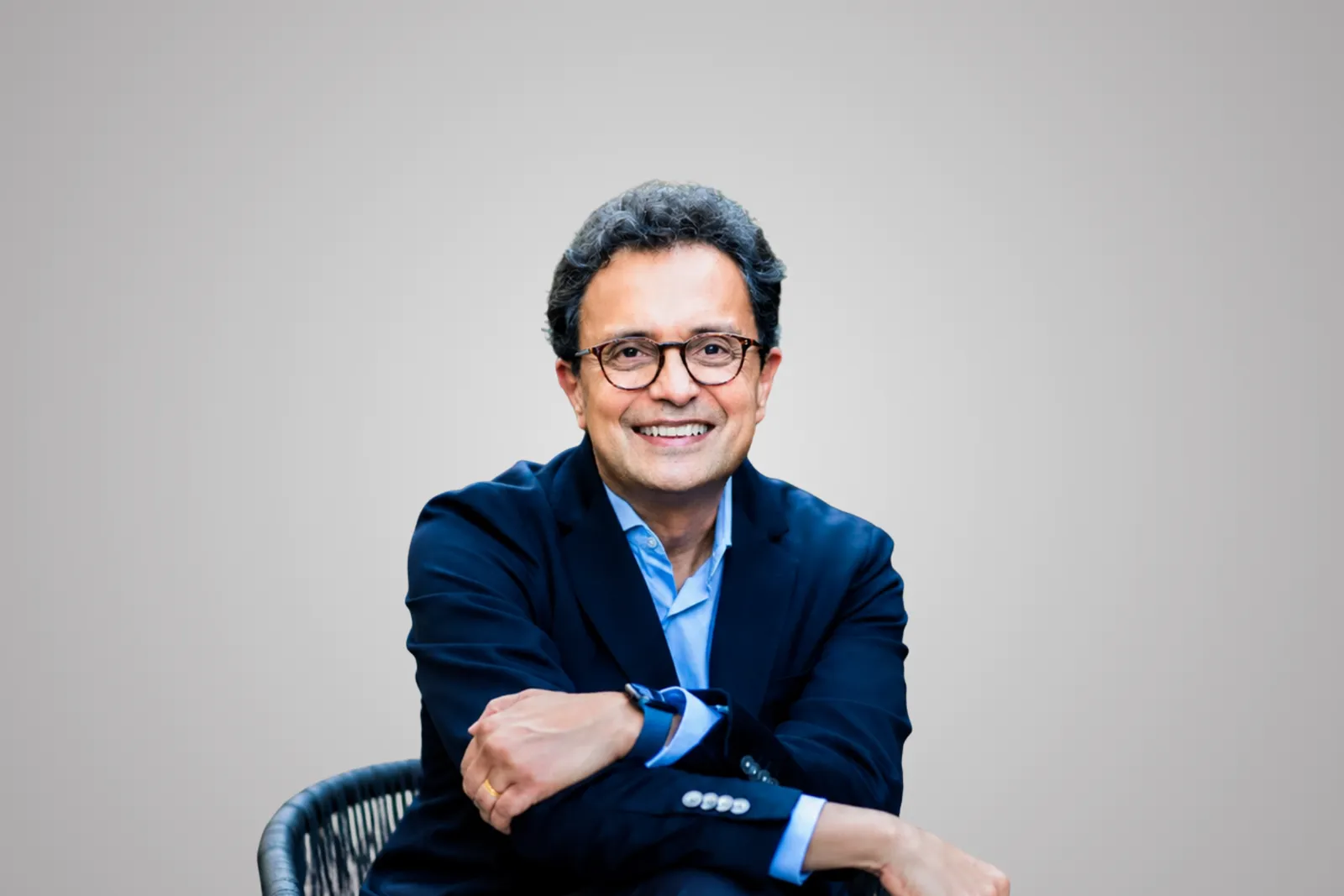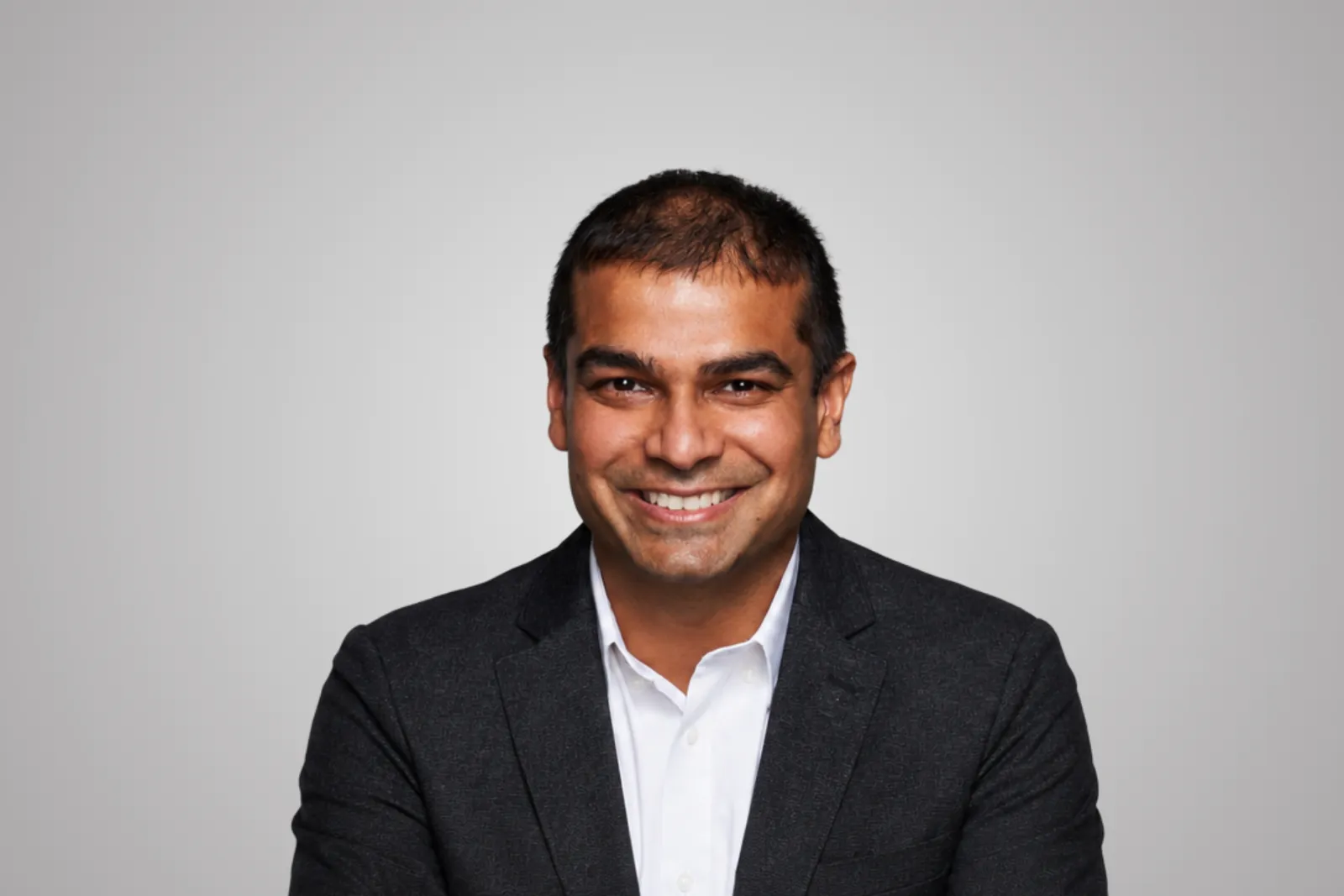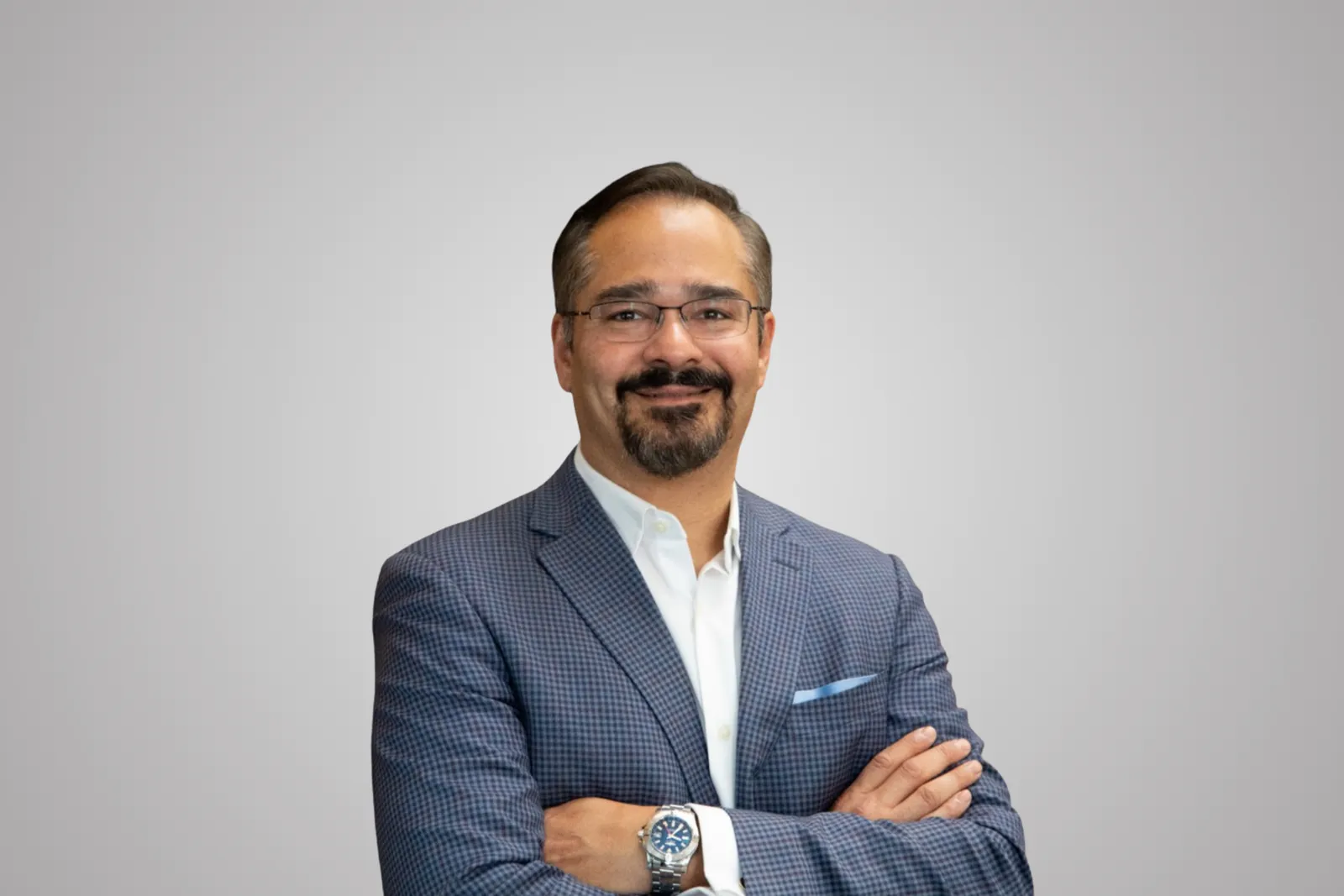



In this exclusive interaction with Catalyst, Ahmed Roshdy, Senior Business Development Manager – Security, Comstor Middle East, and Qaiser Butt, General Manager, Syscons, share insights on how the perception of cybersecurity is shifting from a cost center to a business enabler, and how Cisco’s unified security architecture and partner ecosystem are helping organizations build resilient, future-ready digital environments.
Cybersecurity is often seen as a cost center. How is this perception changing among organizations today?
Ahmed Roshdy: That perception is changing rapidly. Organizations now understand that cybersecurity is directly tied to business resilience and brand trust. Downtime, data loss, or regulatory penalties can have a significant financial and reputational impact. Customers are increasingly viewing security as an investment that enables safe digital growth rather than just a defensive expense.
Qaiser Butt: From our interactions with customers, security is now part of boardroom conversations. It’s no longer limited to IT teams. Business leaders want assurance that their digital platforms—whether collaboration, AV, or smart building technologies—are secure by design. This shift started taking place in May 2017 when WannaCry cyber-attack surfaced on the horizon and that is when CEO’s or CFO’s started taking cybersecurity spend as an investment rather than an expense and this aligns perfectly with Cisco’s approach of embedding security across the entire digital infrastructure.
What are the most common gaps you see in customers’ existing security environments?
Qaiser Butt: One of the biggest gaps is fragmentation. Many customers have acquired security tools reactively over time, resulting in multiple dashboards, inconsistent policies, and limited visibility. This makes it difficult to respond quickly to threats or understand overall risk.
Ahmed Roshdy: Another major gap is the lack of integration between network and security. Security solutions that operate in silos cannot fully protect modern, distributed environments. Cisco addresses this by tightly integrating security with networking, identity, and visibility—allowing customers to detect and respond to threats much more effectively.
How does Cisco’s security portfolio stand out in a crowded cybersecurity market?
Ahmed Roshdy: Cisco differentiates itself through its end-to-end security platform. Rather than focusing on isolated tools, Cisco delivers security across users, devices, applications, workloads, and the network. This unified approach simplifies operations, reduces risk, and lowers total cost of ownership.
Qaiser Butt: What resonates strongly with customers is Cisco’s ability to correlate data across the environment. Whether it’s collaboration endpoints, enterprise networks, or cloud workloads, Cisco Security provides actionable insights. This is especially valuable for customers running mission-critical collaboration and experience-driven environments, which are core to Syscons’s focus. It also brings operational excellence for customers despite limited budgets and limited number of resources.
With hybrid work now the norm, how are customer security priorities shifting?
Qaiser Butt: Hybrid work has fundamentally changed how users access applications and data. Customers want secure access without sacrificing performance or user experience. Traditional perimeter-based security models simply don’t work anymore.
Ahmed Roshdy: That’s where Cisco Secure Access and Zero Trust come into play. Cisco enables secure, identity-based access regardless of location, device, or network. This ensures consistent security policies while delivering a seamless experience for end users—something customers now expect as standard.
How important is visibility and analytics in modern cybersecurity strategies?
Ahmed Roshdy: Visibility is foundational. You can’t protect what you can’t see. Cisco leverages one of the world’s largest threat intelligence ecosystems combined with deep network telemetry. This gives customers real-time insight into threats, vulnerabilities, and anomalous behavior across their environments.
Qaiser Butt: From a practical standpoint, better visibility translates into faster decision-making. Customers want clear, actionable intelligence—not alert fatigue. Cisco’s analytics-driven approach helps security teams focus on what truly matters, improving response times and operational efficiency.
What role do ecosystem partnerships play in delivering successful security outcomes?
Qaiser Butt: Ecosystem collaboration is critical. Customers don’t just want products—they want trusted advisors who understand their industry, workflows, and user experience requirements. At Syscons, we work closely with Cisco and Comstor to design integrated solutions that combine collaboration, infrastructure, and security into a cohesive strategy.
Ahmed Roshdy: As a value-added distributor, Comstor enables this ecosystem by providing partners with technical enablement, architectural guidance, and go-to-market support. This ensures that Cisco Security solutions are delivered effectively and aligned with real customer needs, not just technical specifications.
How does Cisco help customers future-proof their security investments?
Ahmed Roshdy: Cisco’s platform is designed to evolve. With continuous innovation in AI, automation, and cloud security, customers can scale and adapt their security posture as their business grows. Cisco also protects existing investments by enabling phased adoption rather than forcing disruptive changes.
Qaiser Butt: Future-proofing is also about interoperability. Cisco’s open ecosystem allows customers to integrate with third-party tools while still benefiting from a unified security framework. This flexibility is crucial for organizations planning long-term digital transformation.
What advice would you give to organizations reassessing their security strategy today?
Qaiser Butt: Start by simplifying. Consolidate tools, focus on visibility, and align security objectives with business outcomes. A complex environment is harder to secure and manage.
Ahmed Roshdy: I would add that organizations should look for a trusted platform and partner ecosystem. Cisco Security offers both—the technology to protect modern environments and the partner network to ensure successful adoption.
Final thoughts—what message would you like customers to take away about Cisco Security?
Ahmed Roshdy: Cisco Security is about confidence—confidence to innovate, connect, and grow securely in a digital-first world.
Qaiser Butt: With Cisco, security becomes an enabler of exceptional digital experiences rather than a barrier. That’s the real value customers are looking for today.
Final Thoughts
As digital ecosystems become more interconnected and business operations increasingly rely on cloud, collaboration, and hybrid work environments, cybersecurity is emerging as a foundational element of sustainable growth. Organizations are recognizing that simplified architectures, integrated visibility, and strong ecosystem partnerships are essential for managing evolving risks. By adopting unified security platforms that combine intelligence, automation, and seamless integration, enterprises can strengthen resilience, protect digital experiences, and confidently pursue innovation in an increasingly complex threat landscape.
All Content Rights Reserved by Catalyst.