

More Than Speakers, They Represent a Global Movement
Every woman taking the stage this year reflects on a broader, worldwide shift. The presence of these women echoes the momentum of young girls choosing STEM after seeing representation, university students entering research labs historically dominated by men, and organizations building diverse teams to address modern security challenges. The cybersecurity industry thrives on diversity of perspectives, and women are bringing new dimensions of strategy, empathy, resilience, precision, and risk intelligence to the table. They reinforce the truth that cybersecurity must be inclusive in the future, since digital trust cannot be built by a half of the population alone.
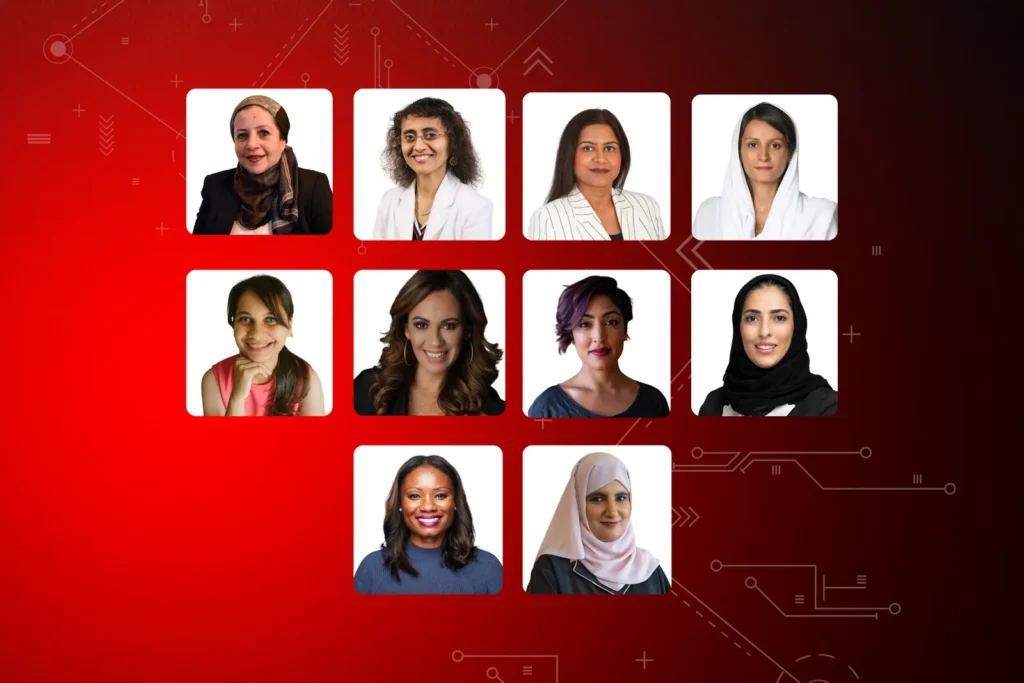
In BlackHat MEA 2025, these remarkable women will redefine the conversation:

Arwa’s talk reflects on the real, often unpredictable journey of building a cybersecurity career. She shares defining moments, failures, mentors, and lessons learned along the way. Aimed at students and early-career professionals, the session covers how to earn credibility early, navigate complex environments, turn setbacks into opportunities, and develop a leadership mindset that textbooks don’t teach.

Her session dives into how trust, ethics, and human oversight must evolve as intelligent systems become more integrated into decision-making and everyday life. She explores what responsible governance looks like when machines increasingly influence society.

In her keynote, Swathi breaks down how the rapid pace of cloud adoption, the ubiquity of ML, and the rising cost of recovery are reshaping security. She walks the audience through ten practical plays rooted in first principles, all aimed at cutting noise, reducing impact, and helping teams respond faster.
Sara’s session focuses on the surge of AI driven threats from deepfakes to GenAI scams to autonomous attacks. She explains how these threats operate, why they are difficult to detect, and what defenders must understand to keep pace with rapidly evolving AI enabled adversaries.

Priyanka discusses the increasingly thin line between innovation and intrusion as technology accelerates. Her session explores how organisations can drive forward responsibly, safeguard user privacy, and still maintain momentum. She offers practical approaches for finding the right balance without slowing progress.

In her presentation, Priya talks about why sustainable security goes beyond checklists and compliance. She explains how organisations can build a culture of trust, resilience, and innovation, strengthen partnerships and protecting reputation in the process. Her session highlights actionable ways to embed security into everyday behaviour and convert it into a long-term strategic advantage.

Jameeka’s fireside chat looks at how rapidly advancing AI is becoming more perceptive — and at times, uncomfortably personal. She explores where the boundary between “helpful” and “too intrusive” is shifting, what this evolution means for personal data, and the practical ways individuals and organisations can safeguard themselves as AI intelligence continues to deepen.
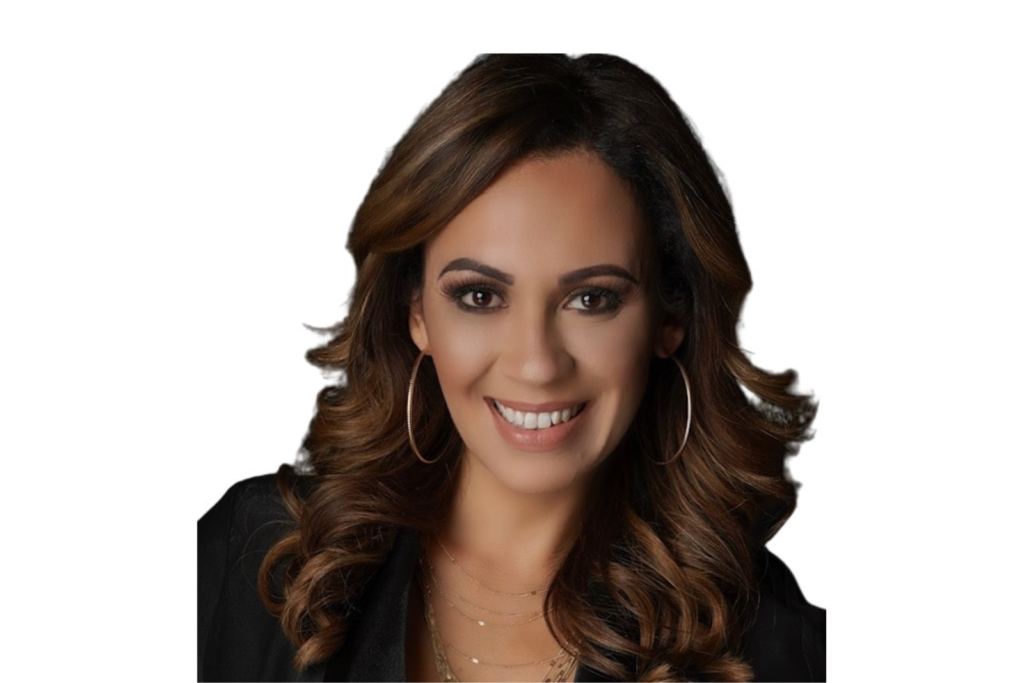
In her keynote, Margarita examines why long-term cybersecurity roadmaps often fail to keep pace with today’s fast-changing threat environment. She breaks down how adopting a lean, adaptive approach, rooted in continuous learning, rapid iteration, and measurable impact, enables organisations to stay ahead of attackers and business shifts. Drawing from Harvard research on agile leadership, she highlights how top performers make decisions faster, build stronger resilience, and achieve higher ROI by prioritizing flexibility. The session translates these insights into actionable steps for cybersecurity teams striving to modernize governance, sharpen investments, and strengthen alignment with business agility.

Salwa’s session explores how modern Zero Trust strategies are evolving beyond rigid, static models. She discusses how context-aware and adaptive approaches are enabling organisations to apply Zero Trust at scale while responding to real-time signals and dynamic environments — ultimately redefining what ‘trust no one’ looks like in practice.

In this panel discussion, Abeer and fellow cybersecurity leaders share how they navigate disruption, guide teams through uncertainty, and cultivate the next generation of talent. The conversation sheds light on the leadership mindsets, trust-building practices, and people-first strategies shaping today’s most resilient security cultures.
Breaking Barriers While Building Bridges
These speakers are not only leaders in their fields, but also mentors, educators, advocates, and movement builders. It is their work that goes far beyond the conference stage, influencing policies, empowering future talent, advancing global research, and shaping the next generation of cybersecurity leaders. Through their collective voices, they are accelerating systemic change, proving that representation is neither symbolic nor symbolic, but transformative.
A Celebration of Capability, Not Tokenism
A platform like BlackHat MEA is not highlighting women for visibility or diversity optics.
The reason they are here is that they are among the best in the world in their field. The expertise, impact, and leadership of these individuals are helping to define the path forward for cybersecurity, threat intelligence, AI safety, and digital governance globally.
Shaping the Future of Cybersecurity
Together, these women represent a powerful movement that expands perspectives, elevates the industry, and strengthens global digital resilience. During a time when new threats are emerging and artificial intelligence is accelerating, their leadership is setting the stage for a more inclusive, strategic, and secure future.
All Content Rights Reserved by The Catalyst.