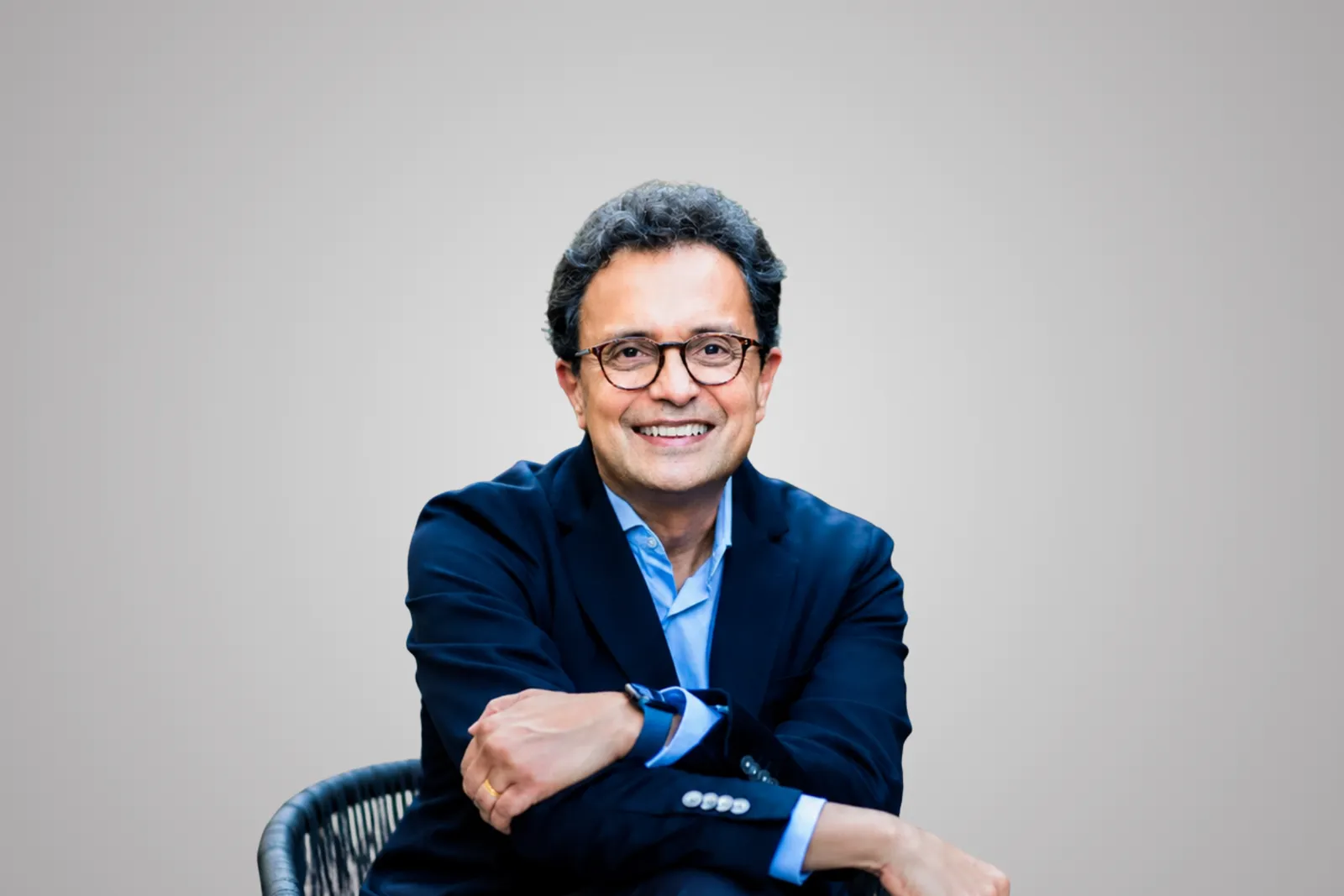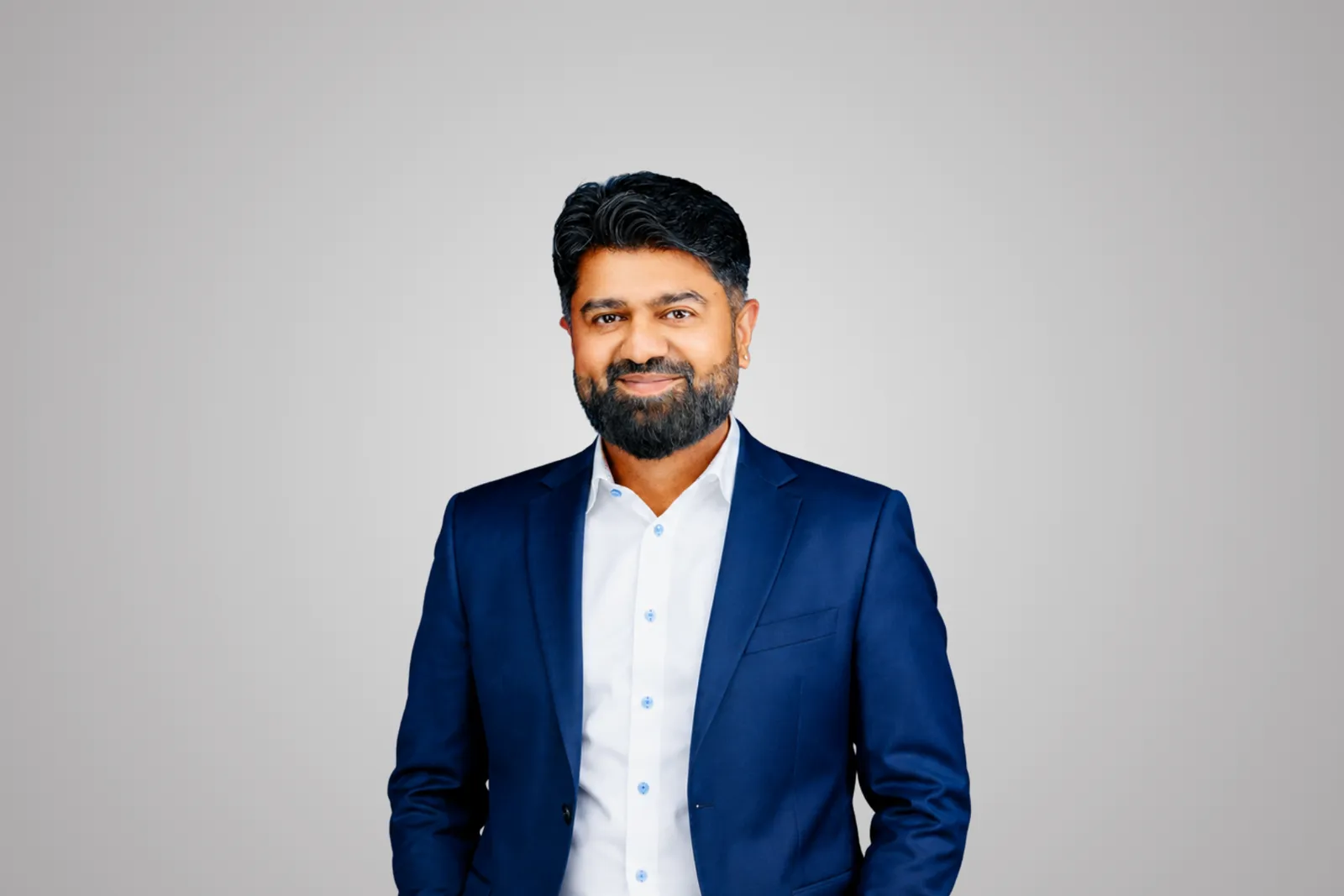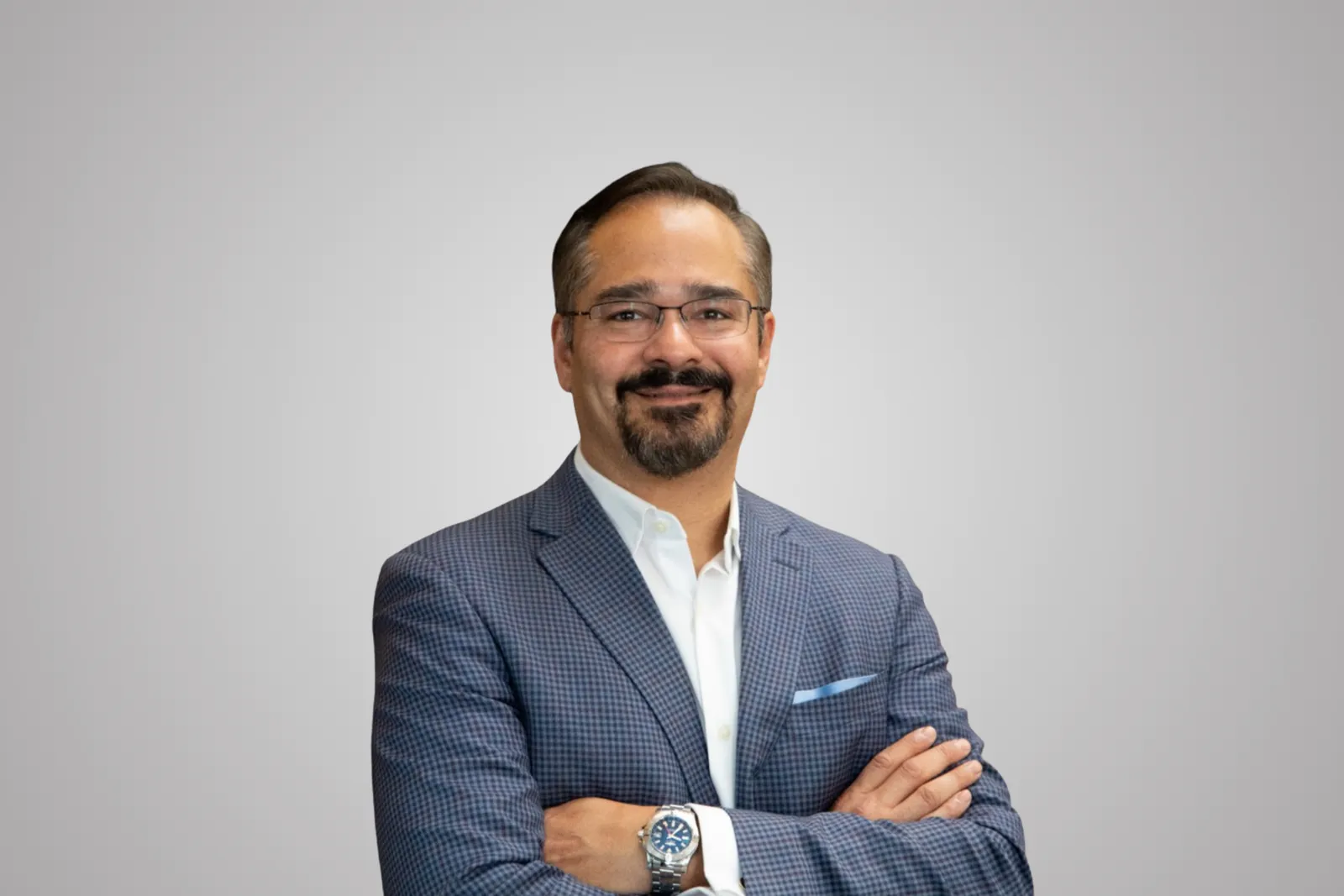



In this exclusive interaction with The Catalyst, Ryaan Sharif, General Manager of Flat6Labs, UAE, shares how the organization is empowering a new generation of climate-conscious founders, supporting green innovation, and driving sustainable impact through curated support, policy alignment, and cross-sector collaboration.
How is Flat6Labs empowering the next generation of startups across various sectors in the MENA region?
Flat6Labs plays a pivotal role in the MENA entrepreneurial ecosystem by running regionally tailored seed and early-stage accelerator programs that support high-potential startups across multiple sectors—from FinTech and HealthTech to EdTech and sustainability. By providing seed funding, bespoke mentorship, access to a regional investor network, and tailored market entry support, Flat6Labs ensures that startups are equipped to scale both locally and internationally. Its programs span key MENA markets including Egypt, Saudi Arabia, the UAE, Tunisia, and Jordan—each designed to nurture innovation while respecting local market dynamics.
Are there any standout startups in your network that combine technology and sustainability in impactful ways?
Giving back to the community is always welcome. We have carefully chosen and supported several startups in the Flat6Labs portfolio who are innovating at the intersection of technology and sustainability. Here are some of the startups in our portfolio that address environmental challenges but also improve the quality of life and economic resilience across the region.
- Bekia (Egypt): A digital platform that turns recyclable waste into currency, encouraging sustainable behavior while supporting waste management.
- Plug’n’Grow (Egypt): Provides modular smart farming systems, promoting urban agriculture and efficient water usage.
- Nadeera (UAE): Nadeera is a social enterprise that provides innovative digitally enabled solutions for solid waste management. Nadeera’s “Yalla Return” platform simplifies recycling with rewards, achieving 95% user retention across pilots in three regions.
- Kumulus Water (Tunisia): Kumulus is a WaterTech startup turning air into clean drinking water through innovative atmospheric water generators (AWGs). Kumulus aims to provide drinking water in an economical and sustainable way.
In what ways do you tailor your accelerator or mentorship programs to support cleantech and greentech-focused ventures?
In an era of sustainable innovation, accelerator programs play an increasingly important role in nurturing startups that address environmental issues. In designing its accelerator curriculum, Flat6Labs takes into account the needs of specific sectors. For GreenTech ventures, we offer the following:
- Access to subject-matter experts and industry mentors from environmental sciences, circular economy, and renewable energy.
- Investment-readiness workshops focused on impact measurement, sustainability metrics, and ESG compliance.
- Partnerships with climate-focused VCs, NGOs, and government programs to provide additional resources and validation pathways.
- Tailored pitch events and demo days to attract green-focused investors and stakeholders.
This customized support ensures that sustainability-driven startups receive the strategic attention and resources needed to thrive.
We partnered with The Catalyst to launch The Catalyst Accelerator Program, which was powered by Flat6Labs, and backed by Masdar City and bp. This program supported startups addressing climate change in the MENA region by providing them with resources such as mentorship and coaching by ClimateTech advocates and experts, access to local, regional and international and hands-on business development support, innovation-based sessions and workshops and much more.
What are the most promising areas within green technology or sustainable innovation that you see gaining traction among founders in MENA?
The green tech sector is undergoing rapid change, and MENA-based entrepreneurs are beginning to establish themselves in this global shift toward sustainability. Across MENA, we are seeing strong startup momentum in:
- Waste management and recycling platforms (especially digitized B2C/B2B services).
- Water conservation and smart irrigation systems tailored to arid environments.
- Renewable energy microgrids and solar integration, particularly for rural electrification.
- Sustainable mobility, including electric vehicle infrastructure and shared transport systems.
- Carbon tracking and reporting tools for enterprises seeking ESG alignment.
These verticals are driven by both environmental urgency and policy incentives, making them increasingly attractive to founders and investors alike.
What role do regional policies and regulations play in shaping the green startup landscape in MENA?
Policies and regulations are both enablers and limiters. In some countries, like the UAE and Saudi Arabia, national strategies such as Vision 2030, net-zero targets, and green finance initiatives have unlocked new opportunities and funding streams for cleantech startups. Conversely, in less developed regulatory environments, entrepreneurs face barriers such as unclear permitting for waste management or limited access to clean tech subsidies. However, the trend is clear: more governments in MENA are embracing climate-tech innovation as part of their economic diversification and sustainability agendas.
Do you think there’s enough market readiness or consumer demand for green solutions in the region?
Market readiness is growing but uneven. In urban centers with higher environmental awareness—like Dubai, Cairo, or Riyadh—consumers and corporates are increasingly seeking green alternatives, whether for ethical reasons or compliance. Corporate ESG mandates are also fueling B2B demand. However, in lower-income or rural areas, cost sensitivity and lack of awareness still pose challenges. That said, startups that balance affordability, accessibility, and sustainability are well-positioned to shape demand over time.
How do you envision the intersection of AI, emerging tech, and sustainability evolving in the next 3–5 years?
We foresee a deep convergence where AI and emerging technologies become key enablers of sustainable innovation. For instance, AI-driven energy management will optimize electricity usage in buildings and factories. Flat6Labs looks forward to seeing more of such innovations in the future and providing a roadmap for these innovations to bring about positive changes both in society and in the economy.
As sustainability becomes an urgent global imperative, platforms that nurture innovation and sector-specific support are proving essential to long-term impact. By integrating tailored acceleration, strategic mentorship, and cross-sector collaboration, initiatives like these are catalyzing a new wave of climate-conscious entrepreneurship across the MENA region. With a focus on localized solutions, regulatory alignment, and the transformative power of emerging technologies like AI, the region is poised to become a leading hub for green innovation—fueling both economic resilience and environmental progress.
All Content Rights Reserved by The Catalyst.