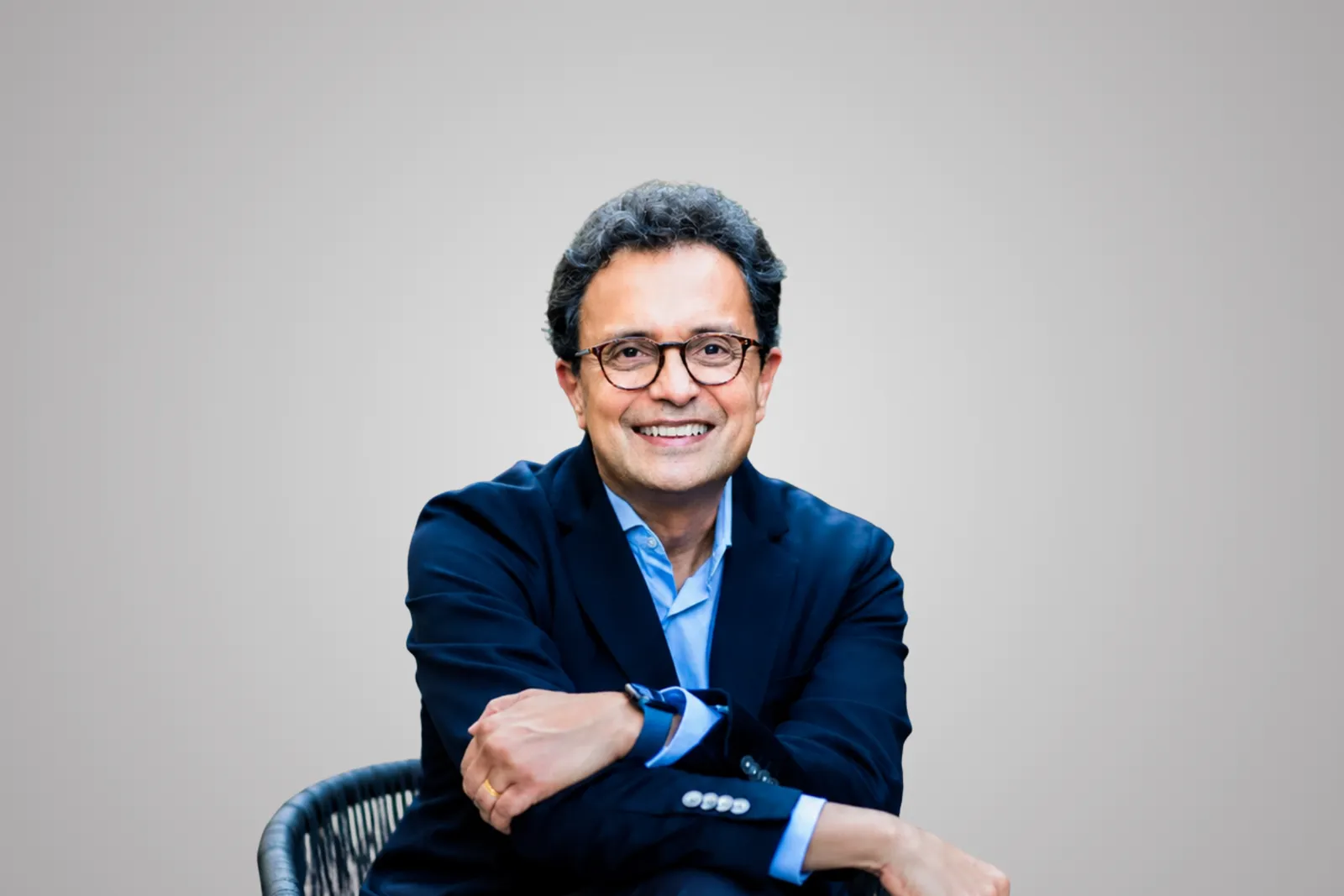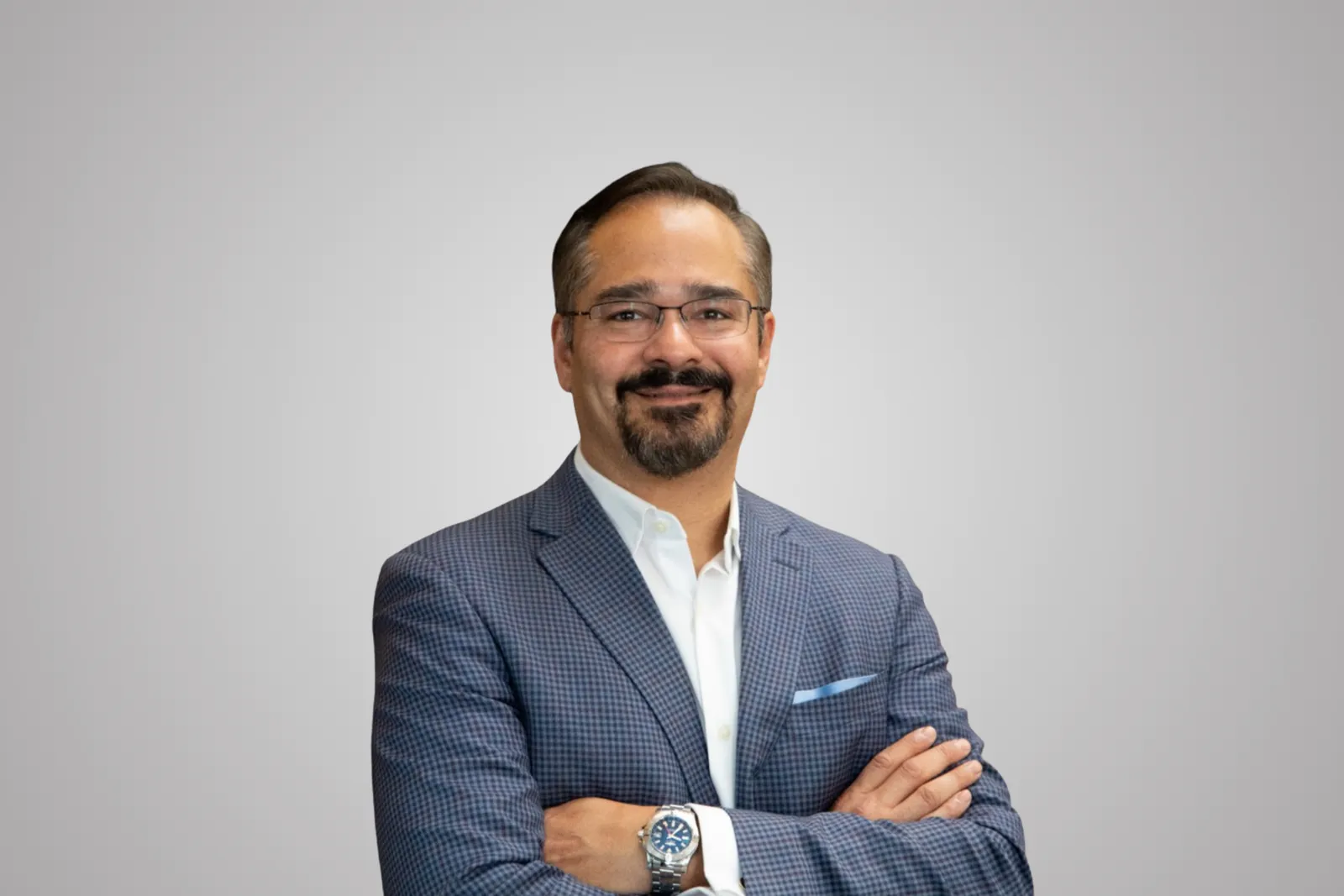



In this exclusive interaction with The Catalyst, Ahmed Roshdy, Senior Business Development Manager Security, Comstor Middle East, and Suresh K Nair, Sales Manager, Computer Arabia, Qatar, share their perspectives on emerging cyber risks, the growing importance of architectural simplicity and identity led security, and how ecosystem collaboration is strengthening resilience across Qatar’s digital landscape.
As Qatar advances toward a digitally driven economy, what emerging cyber risks are most concerning for enterprise leaders today?
Ahmed Roshdy: The primary concern is the expanding attack surface created by hyperconnectivity. As organizations integrate cloud, IoT, AI, and operational technologies, they create highly dynamic environments that traditional security models cannot adequately protect. The convergence of IT and OT in particular introduces new vulnerabilities. Enterprise leaders must therefore adopt security architectures that provide end-to-end visibility and intelligence, ensuring that innovation does not outpace protection.
Suresh K Nair: We are also seeing a rise in sophisticated, targeted attacks aimed at critical infrastructure and high-value sectors. These are not opportunistic threats; they are strategic and persistent. As a result, business leaders must think beyond perimeter defense and focus on detection, response, and resilience. Security strategies must anticipate disruption rather than simply react to it.
How can organizations align cybersecurity investments with measurable business outcomes?
Ahmed Roshdy: Cybersecurity investments should be mapped directly to risk reduction, operational continuity, and regulatory compliance. With Cisco’s integrated platform, organizations can consolidate tools, reduce complexity, and improve operational efficiency. This not only strengthens security posture but also lowers total cost of ownership. Security becomes quantifiable when it reduces downtime, enhances productivity, and protects revenue streams.
Suresh K Nair: From a systems integration perspective, alignment comes through strategic roadmaps. We work with clients to assess maturity levels and define phased transformation plans. Cisco’s architecture allows scalability, meaning investments made today remain relevant as business needs evolve. This ensures long-term value rather than short-term fixes.
In an environment where cyber threats evolve daily, how important is architectural simplicity?
Ahmed Roshdy: Architectural simplicity is critical. Fragmented security environments create operational silos and blind spots. Cisco’s platform-driven model integrates network security, endpoint protection, cloud defense, and identity management into a cohesive framework. This simplifies policy management and enhances cross-domain visibility, which is essential for proactive threat detection.
Suresh K Nair: Operational simplicity also improves response times. When security tools communicate seamlessly, security operations centers can act decisively. Reduced complexity allows organizations to focus on strategy rather than troubleshooting interoperability issues.
What role does identity play in modern cybersecurity strategies?
Ahmed Roshdy: Identity is now the primary control plane. As users, devices, and applications operate beyond traditional boundaries, verifying identity continuously becomes foundational. Cisco’s Zero Trust approach ensures that access decisions are based on context, device posture, and behavioral analytics. This dynamic model significantly reduces unauthorized access risks.
Suresh K Nair: In practice, identity-driven security enables granular access control across hybrid environments. It strengthens compliance efforts and protects sensitive data without restricting user productivity. Organizations in Qatar are increasingly recognizing identity as a strategic pillar of their cybersecurity framework.
How are organizations in Qatar approaching security operations modernization?
Ahmed Roshdy: Modernization efforts focus on integrating AI-driven analytics and automation into security operations. Cisco’s XDR and advanced threat intelligence capabilities empower organizations to detect anomalies faster and respond with precision. The goal is to transition from reactive monitoring to predictive defense strategies.
Suresh K Nair: Many organizations are enhancing their SOC capabilities, either in-house or through managed services. Automation reduces alert fatigue and optimizes skilled resources. With the right architecture, security teams can prioritize high-risk incidents and maintain operational resilience.
How does collaboration within the Cisco ecosystem strengthen cybersecurity delivery in Qatar?
Ahmed Roshdy: A strong ecosystem ensures that innovation is supported by expertise. Comstor’s role is to enable partners like Computer Arabia with deep technical knowledge, architectural guidance, and strategic planning resources. This ensures Cisco’s solutions are implemented with precision and aligned to customer objectives.
Suresh K Nair: Collaboration enhances execution excellence. With Comstor’s support, we can design and deploy complex security architectures confidently. The result is a seamless customer experience that combines global technology leadership with strong local insight.
As regulatory frameworks continue to evolve, how can organizations stay ahead of compliance requirements?
Ahmed Roshdy: Compliance should be viewed as a baseline, not the ultimate objective. Cisco’s integrated solutions provide centralized policy management and detailed reporting, enabling organizations to demonstrate governance while maintaining operational agility. Proactive compliance readiness reduces risk and builds stakeholder confidence.
Suresh K Nair: Early alignment with regulatory standards ensures smoother audits and fewer disruptions. By embedding compliance into the architecture itself, organizations can adapt quickly to new mandates without significant reengineering.
What strategic advice would you offer to technology leaders shaping Qatar’s next phase of digital growth?
Ahmed Roshdy: Adopt a platform-first mindset. Consolidate security capabilities into integrated architectures powered by intelligence and automation. This approach strengthens resilience while supporting sustainable innovation.
Suresh K Nair: Invest in long-term partnerships and continuous capability development. Technology alone is not sufficient; expertise and strategic alignment are equally critical. By combining Cisco’s innovation with strong ecosystem collaboration, organizations can confidently secure their digital future.
Final Thoughts
As Qatar advances its digital economy, cybersecurity must evolve from reactive defense to an integrated, intelligence driven strategy that supports innovation and resilience. By simplifying architectures, prioritizing identity centric controls, and aligning investments with business outcomes, organizations can secure growth while confidently navigating an increasingly complex threat landscape.
All Content Rights Reserved by Catalyst.